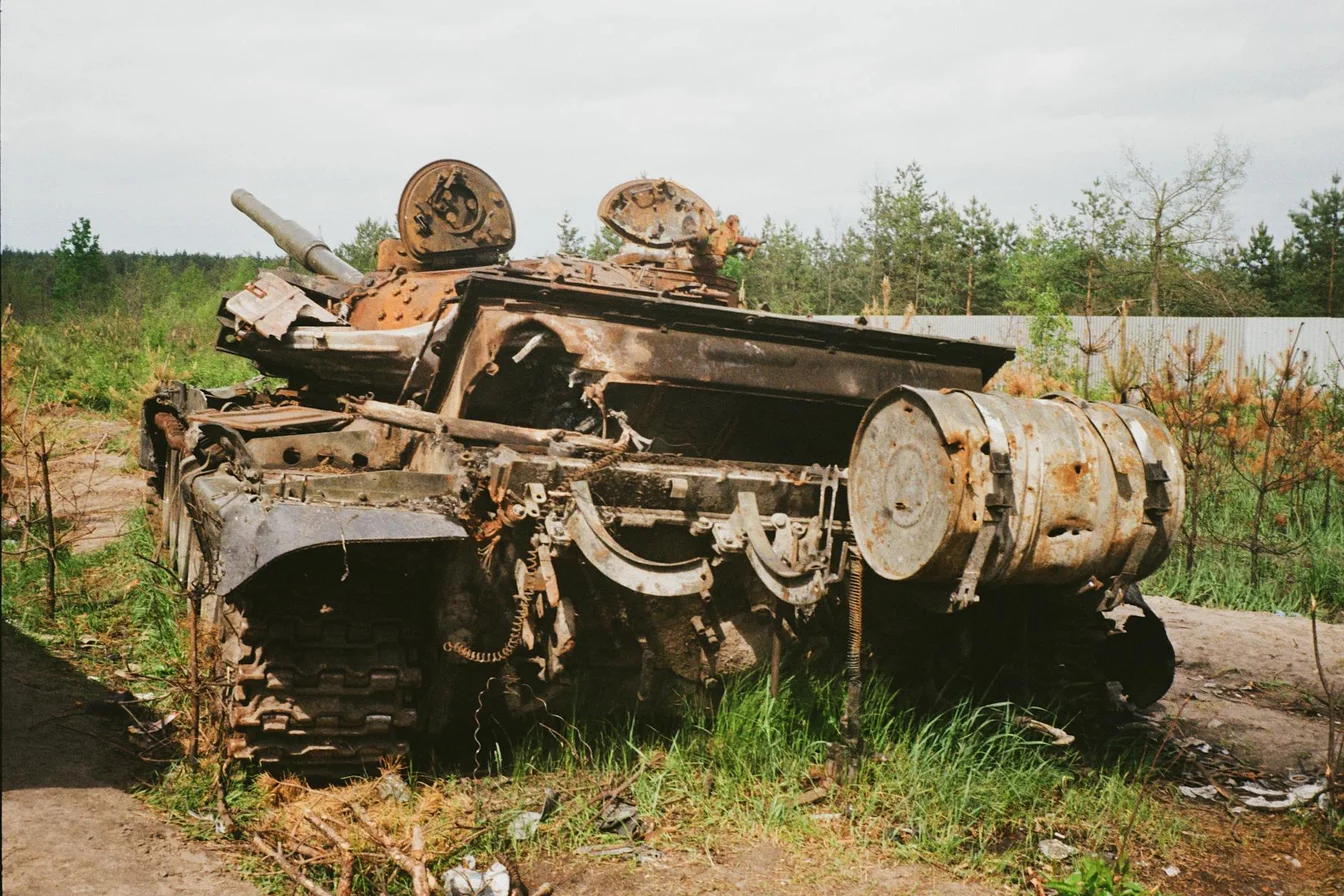

# Guerra, Recesión o Crash — Tu Plan de Acción de 15 Minutos (2026)
*Última actualización: Marzo 2026*
Me desperté con el caos esta mañana.
El Dow se desplomó 800 puntos antes del almuerzo. El crudo Brent se disparó un 8.5% a $119 el barril. Delta Airlines cayó un 17%. United cayó un 20%. Boeing perdió un 13% en una sola sesión. El modelo de probabilidad de recesión de Goldman Sachs saltó del 15% al 35% de la noche a la mañana.
Los presentadores de CNN les dijeron a los televidentes que "mantengan la calma y piensen a largo plazo." Motley Fool publicó su habitual artículo de "diversifica y mantén." CNBC sacó al mismo administrador de fondos retirado que dice "compra la caída" durante cada crash.
Aquí está el problema: ese consejo es completamente inútil si estás sentado en Ho Chi Minh, Mumbai, São Paulo o Lagos.
No tienes una cuenta en Schwab. No tienes acceso a opciones de venta (put options). Probablemente ni siquiera tienes acciones americanas todavía. Entonces, cuando alguien te dice "mantén tus posiciones" — ¿cuáles posiciones?
He operado durante tres crisis geopolíticas hasta ahora. La invasión rusa a Ucrania en 2022. La escalada Israel-Hamas en 2023. Y ahora el conflicto en Medio Oriente de 2026 que está sacudiendo los mercados globales mientras escribo esto. He aprendido una cosa por encima de todo: las primeras 48 horas son donde se hacen o destruyen fortunas, y la mayoría de las personas fuera de EE.UU. pasan esas 48 horas mirando desde la tribuna porque literalmente no pueden actuar.
Este artículo es tu plan de acción. Cuatro estrategias concretas clasificadas por nivel de riesgo, cada una ejecutable en 15 minutos o menos, disponibles para cualquiera con un teléfono y conexión a internet. Sin solicitud de corretaje que tome 5 días hábiles. Sin cuenta mínima de $25,000. Sin requisitos de ciudadanía.
Vamos.
---
Qué Acaba de Pasar: Los Números
Antes de actuar, necesitas contexto. El pánico sin datos es apostar. Aquí está lo que los números realmente muestran.
El daño inmediato (al momento de escribir esto):
- Dow Jones Industrial Average: -807 puntos (-2.1%) en una sola sesión
- S&P 500: -2.8%, peor día desde el desarme de agosto 2024
- Crudo Brent: $119.40/barril, subió 8.5% en 24 horas
- Sector aerolíneas (ETF JETS): -16.3%
- Acciones de defensa (Lockheed Martin, Raytheon): +4.7% a +8.2%
- VIX (índice del miedo): se disparó de 14 a 29
- Oro: $2,840/oz, subió 3.1%
- Rendimiento del Tesoro a 10 años: cayó a 3.62% (vuelo a la seguridad)
Pero esto es lo que importa más — el patrón histórico:
| Evento Geopolítico | Caída del S&P 500 (1ra Semana) | S&P 500 al Mes 1 | S&P 500 a los 6 Meses |
|---|---|---|---|
| Guerra del Golfo (1990) | -6.1% | -8.2% | +12.4% |
| Ataques del 11-S (2001) | -11.6% | -1.1% | +5.1% |
| Invasión de Irak (2003) | -2.4% | +2.8% | +14.6% |
| Rusia-Ucrania (2022) | -1.3% | -0.7% | -5.2%* |
| Actual (2026) | -2.8% | ? | ? |
*\*2022 fue un caso atípico porque coincidió con alzas agresivas de tasas de la Fed — la guerra no fue el principal impulsor de las pérdidas prolongadas.*
La información clave: A lo largo de 29 crisis geopolíticas desde 1940, el S&P 500 cayó un promedio de 0.9% en el primer mes pero ganó 3.4% en los siguientes seis meses (datos de LPL Financial Research). Los mercados incorporan el peor escenario inmediatamente, y luego se recalibran lentamente a la realidad.
Ese patrón no es una garantía. Pero es una señal lo suficientemente fuerte para construir una estrategia — especialmente si la combinas con análisis sectorial específico y controles de riesgo estrictos.
---
Por Qué "Mantén la Calma" No Funciona Si No Eres Americano
Cada crisis desencadena el mismo consejo condescendiente de los medios financieros estadounidenses: mantén tus fondos indexados, no revises tu portafolio, recuerda que el tiempo en el mercado supera al timing del mercado.
Ese consejo asume que ya posees acciones a través de una cuenta de corretaje estadounidense con ejecución instantánea, herramientas de cobertura de portafolio y posiciones de efectivo aseguradas por FDIC. Asume que puedes comprar opciones de venta protectoras o rotar hacia bonos del Tesoro con unos cuantos clics.
Si estás leyendo esto desde Vietnam, India, Brasil, Filipinas, Nigeria, o la mayoría de los más de 190 países fuera de EE.UU., aquí está tu realidad:
Lo que NO tienes:
- Una cuenta en Schwab, Fidelity o Interactive Brokers (la mayoría requiere residencia en EE.UU. o toman semanas para aprobar solicitudes internacionales)
- Acceso a mercados de opciones para cobertura
- Una cuenta de margen para ventas en corto
- Compra de acciones fraccionadas en la mayoría de los corretajes locales
- Ahorros denominados en dólares que no estén perdiendo valor mientras tu moneda local se debilita
Lo que realmente estás experimentando:
- Tu moneda local está cayendo frente al dólar (el dong vietnamita cayó 1.2% en 48 horas durante la crisis de Ucrania 2022)
- Los costos de importación se están disparando porque el petróleo se cotiza en dólares
- Tu mercado de valores local se está desplomando en simpatía con Wall Street, pero con menos liquidez
- Estás viendo oportunidades pasar en tu teléfono y literalmente no puedes participar
Esta es la brecha que me vuelve loco del consejo financiero convencional. Toda la conversación asume una audiencia americana con herramientas americanas. Mientras tanto, 7,500 millones de personas fuera de EE.UU. reciben el consejo de "mantener la calma" mientras su poder adquisitivo se erosiona en tiempo real.
Lo que realmente necesitas es una forma de actuar en minutos — para vender en corto acciones sobrevaluadas, comprar las que están sobrevendidas, moverte a activos de refugio seguro, o simplemente posicionarte para lo que viene. Y en 2026, ese camino pasa por la infraestructura cripto, no por los corretajes tradicionales.
Te voy a mostrar exactamente cómo.
---
Acción 1: Vende en Corto las Acciones que Caen (Más Agresivo — 15 Minutos)
Esta es la jugada de mayor riesgo y mayor recompensa. Cuando las acciones de aerolíneas caen un 17% en un día y el petróleo sigue subiendo, frecuentemente hay más caída por delante — especialmente si la situación geopolítica se intensifica durante el fin de semana.
La jugada: Vende en corto tokens de acciones estadounidenses (acciones tokenizadas) en OKX para beneficiarte de las caídas continuas.
Paso a paso:
- Regístrate en OKX — toma 3 minutos con email + verificación de identidad
- Deposita USDT (vía P2P si la transferencia bancaria no está disponible en tu país)
- Navega a Trade → Tokens de Acciones o Perpetuos
- Selecciona la acción que quieres vender en corto (aerolíneas, cruceros y hotelería son objetivos principales durante conflictos militares)
- Configura tu apalancamiento (uso 2-3x máximo durante operaciones de crisis — nunca 10x+)
- Establece un stop-loss inmediatamente. No puedo enfatizar esto lo suficiente. Colócalo 8-10% por encima de tu entrada. Si el conflicto se desescala durante la noche, las acciones subirán violentamente con un gap.
Comparación de velocidad — Por qué esto importa en una crisis:
| Plataforma | Apertura de Cuenta | Depósito a Trading | Venta en Corto | Disponible Desde |
|---|---|---|---|---|
| Charles Schwab | 1-3 días hábiles | 1-4 días hábiles | Cuenta de margen requerida (aprobación adicional) | Residentes de EE.UU. principalmente |
| Interactive Brokers | 1-2 días hábiles | 1-3 días hábiles | Sí, con margen | La mayoría de países (KYC lento) |
| eToro | 1 día (varía) | 1-3 días hábiles | Solo CFDs (regiones restringidas) | Países limitados |
| Robinhood | Minutos (solo EE.UU.) | Instantáneo (banco de EE.UU.) | Sin venta en corto | Solo EE.UU. |
| OKX | 5-10 minutos | Minutos vía P2P/cripto | Sí, vía perpetuos | 160+ países |
Cuando el Dow cae 800 puntos un lunes, la ventana de oportunidad es de horas, no días. Para cuando tu cuenta de Interactive Brokers sea aprobada, el mercado puede haber rebotado ya 400 puntos.
Qué vender en corto durante un conflicto militar:
- Aerolíneas (componentes de JETS): históricamente caen 15-25% en las primeras dos semanas
- Cruceros (CCL, RCL, NCLH): altamente sensibles al miedo geopolítico
- Consumo discrecional: la gente deja de comprar artículos de lujo durante la incertidumbre
- ETFs de economías dependientes del turismo
Reglas críticas de gestión de riesgo:
- Nunca vendas en corto con más del 15% de tu capital de trading
- Siempre usa un stop-loss — los titulares de guerra pueden revertir la dirección en minutos
- No uses apalancamiento por encima de 3x durante eventos geopolíticos (la volatilidad puede liquidarte más rápido de lo que puedes reaccionar)
- Toma ganancias en porciones: cierra el 50% con un 10% de ganancia, arrastra el resto
Para una inmersión profunda sobre cómo evitar quiebras con posiciones apalancadas, lee mi guía sobre cómo evitar la liquidación al operar tokens de acciones.
---
Acción 2: Compra la Caída en Acciones Sobrevendidas (Riesgo Medio — 15 Minutos)
Aquí es donde los datos históricos se convierten en tu mejor amigo.
¿Recuerdas esa tabla de antes? Seis meses después de shocks geopolíticos, el S&P 500 es positivo en el 85% de los casos desde la Segunda Guerra Mundial. La ganancia promedio es del 3.4%, pero las acciones individuales que fueron castigadas injustamente pueden rebotar entre 20-40%.
El concepto: El pánico bélico crea ventas indiscriminadas. Los algoritmos venden todo. Los administradores de fondos reducen la exposición en general. Esto significa que empresas de alta calidad sin conexión alguna con el conflicto son arrastradas junto con todo lo demás.
Durante la invasión rusa a Ucrania en 2022, Apple cayó un 5.3% en la primera semana a pesar de tener esencialmente cero exposición de ingresos a ninguno de los dos países. Microsoft cayó un 7.1%. Estas son empresas con más de $200 mil millones en reservas de efectivo, bases de clientes globales y productos que la gente compra sin importar quién esté peleando contra quién.
¿Seis meses después? Apple subió un 8% desde esos mínimos. Microsoft ganó un 12%.
La jugada: Compra tokens de acciones de empresas blue-chip sobrevendidas que no tienen exposición directa al conflicto.
Mi lista de verificación para comprar la caída durante crisis:
- ✅ La empresa tiene exposición mínima de ingresos a la región del conflicto (<5%)
- ✅ La acción cayó más que el mercado general (sobrevendida relativa a sus pares)
- ✅ La empresa tiene fuertes reservas de efectivo (puede resistir una recesión)
- ✅ El producto/servicio es no discrecional (la gente lo necesita sin importar la guerra)
- ✅ La acción estaba en tendencia alcista antes de la crisis (la caída es por evento, no fundamental)
Acciones que típicamente son castigadas injustamente durante crisis geopolíticas:
- Big tech (AAPL, MSFT, GOOGL) — la gente no deja de usar iPhones por una guerra
- Salud (JNJ, UNH, PFE) — la demanda es en realidad contracíclica
- Productos de consumo básico (PG, KO, WMT) — la gente sigue comprando pasta dental y comestibles
- Servicios públicos (utilities) — flujos de efectivo estables sin importar los titulares
Cómo ejecutar en OKX:
- Ve a Trade → Tokens de Acciones
- Selecciona tu objetivo (ej., AAPL)
- Compra con 1x (sin apalancamiento) — esto es una posición de mediano plazo, no una operación
- Configura una alerta de precio al -10% (tu stop mental) y +20% (tu objetivo)
- Aléjate y revisa en una semana
Si estás en Vietnam específicamente, escribí una guía completa sobre cómo comprar acciones estadounidenses desde Vietnam que cubre el proceso de depósito P2P en detalle.
Por qué importa el apalancamiento de 1x aquí: Estás apostando a una recuperación de 1-6 meses. Si usas apalancamiento de 5x y el mercado cae otro 10% antes de recuperarse, te liquidan y te pierdes el rebote por completo. Compra la caída con efectivo. Sé paciente. La historia está de tu lado — pero solo si sobrevives la caída.
---
Acción 3: Muévete a Activos de Refugio Seguro (Conservador — 30 Minutos)
No todos quieren operar durante una crisis. Quizás solo quieres proteger lo que tienes. Si tu moneda local se está debilitando, la inflación se está disparando por los precios del petróleo, y tu mercado de valores local se está desplomando — moverte a activos de refugio seguro es la jugada racional.
Opción A: USDT (Tether) — Dólar Digital
Si estás en un país donde la moneda local cae 3-8% cada vez que hay una crisis global (Turquía, Argentina, Nigeria, Egipto), convertir tus ahorros a USDT es protección inmediata. USDT está vinculado 1:1 al dólar estadounidense. No te hará rico, pero no perderá el 15% de su valor porque tu banco central entre en pánico.
Durante la crisis de 2022, la naira nigeriana cayó un 12% frente al dólar en tres meses. Cualquiera que tuviera USDT preservó su poder adquisitivo completamente.
Cómo: Compra USDT vía P2P en OKX usando tu moneda local → mantenlo en tu billetera de OKX o retíralo a una billetera personal.
Opción B: Oro (XAUT o PAXG) — El Refugio Seguro de 3,000 Años
El oro ha subido durante cada gran conflicto militar en la historia moderna. Subió un 3.1% desde la escalada de esta semana. Durante todo el período de la guerra Rusia-Ucrania, el oro pasó de $1,900 a $2,050 (+7.9%).
Cómo: Compra XAUT (Tether Gold) o PAXG (Paxos Gold) en cualquier exchange de cripto importante. Cada token está respaldado por una onza troy de oro físico almacenado en bóvedas. Obtienes exposición al oro sin la logística de comprar lingotes físicos.
Opción C: Bitcoin — El Refugio Seguro en Debate
Seré honesto: el estatus de Bitcoin como refugio seguro es debatible. Cayó un 8% durante la primera semana de la invasión a Ucrania. Pero durante 6 meses, también mostró períodos de descorrelación con las acciones. En 2025-2026, con los ETFs al contado y la adopción institucional, el comportamiento de Bitcoin durante las crisis está cambiando.
Mi opinión: Asigna 5-10% de tu reserva de crisis a Bitcoin, no 50%. Es una apuesta asimétrica — si actúa como oro digital, superarás al mercado. Si no, limitaste tu pérdida potencial.
La división de portafolio conservador durante una crisis:
- 50% USDT (estabilidad, opcionalidad para comprar caídas después)
- 30% Oro (XAUT/PAXG)
- 10% Bitcoin
- 10% Efectivo en moneda local (para gastos diarios)
---
Acción 4: No Hagas Nada Pero Prepárate (Lo Más Seguro — 10 Minutos)
Esta es la estrategia más subestimada, y honestamente, es lo que recomiendo para cualquiera que nunca haya operado durante una crisis antes.
Los peores errores que he visto no son de personas que actuaron muy tarde. Son de personas que entraron en pánico en una operación que no entendían, fueron liquidadas, y luego vieron cómo el mercado se recuperaba sin ellas.
El plan de prepararse-pero-no-actuar:
- Regístrate en OKX con el código de referido BUYSTOCK para descuentos en comisiones (5 minutos)
- Completa la verificación KYC — hazlo AHORA, no cuando llegue la próxima crisis (3 minutos)
- Compra $100 de USDT vía P2P como tu "pólvora seca" (5 minutos)
- Configura alertas de precio en 3-5 acciones que querrías comprar si caen otro 15%
- Espera claridad
Aquí está la cosa sobre las crisis geopolíticas: las primeras 24-48 horas son pura emoción. Algoritmos y pánico retail dominan la acción del precio. La información real — respuestas diplomáticas, alcance militar, sanciones económicas — toma días en materializarse.
Si el conflicto se intensifica: el petróleo sube más, las acciones bajan más, y tu cuenta preparada te permite actuar instantáneamente.
Si el conflicto se desescala: los mercados rebotan, no perdiste nada, y ahora tienes una cuenta financiada lista para la próxima oportunidad.
Estar preparado pero no actuar es en sí misma una estrategia. No estás en la banca por ignorancia — estás fuera por disciplina. Hay una diferencia enorme.
---
Qué Sectores Son los Más Afectados — y Cuáles se Benefician
No todas las acciones reaccionan igual ante las crisis geopolíticas. Entender el patrón de rotación sectorial te da un mapa tanto para los cortos como para las compras.
Sectores que Son Aplastados:
| Sector | Caída Típica | Por Qué | Tiempo de Recuperación |
|---|---|---|---|
| Aerolíneas | -15% a -25% | Costos de combustible se disparan, demanda de viajes cae | 3-6 meses |
| Cruceros | -18% a -30% | Gasto discrecional + combustible + miedos de seguridad | 6-12 meses |
| Hoteles/Turismo | -10% a -18% | Reducción de viajes, especialmente internacionales | 3-6 meses |
| Consumo Discrecional | -8% a -15% | La gente posterga compras grandes | 2-4 meses |
| ETFs de Mercados Emergentes | -10% a -20% | Fuga de capitales hacia el dólar estadounidense | 4-8 meses |
| Fabricantes de Autos | -8% a -12% | Disrupción de cadena de suministro + hesitación del consumidor | 3-6 meses |
Sectores que se Benefician:
| Sector | Ganancia Típica | Por Qué | Duración |
|---|---|---|---|
| Defensa (LMT, RTX, NOC) | +5% a +15% | El gasto gubernamental aumenta | Sostenido (12+ meses) |
| Petróleo y Gas (XOM, CVX) | +8% a +20% | Temores de interrupción del suministro | 1-3 meses (se desvanece con la resolución) |
| Mineras de Oro (NEM, GOLD) | +5% a +12% | Flujo de refugio seguro hacia el oro | Sostenido durante el conflicto |
| Ciberseguridad (CRWD, PANW) | +3% a +8% | Temores de guerra cibernética | 1-2 meses |
| Servicios Públicos (NEE, SO) | +1% a +5% | Rotación defensiva | Solo durante la incertidumbre |
La jugada inteligente: Vende en corto los perdedores en la primera semana. Compra los ganadores para posiciones a mediano plazo. Y una vez que el pánico cede (generalmente 2-4 semanas), empieza a comprar los perdedores sobrevendidos para la operación de recuperación.
Para datos en tiempo real sobre qué acciones están comprando los insiders durante la caída, revisa nuestro rastreador de operaciones de insiders — cuando los ejecutivos de aerolíneas empiezan a comprar sus propias acciones, eso es generalmente una señal fuerte de que lo peor ya está descontado en el precio.
---
La Reacción en Cadena: Petróleo → Inflación → Alzas de Tasas → Recesión
Aquí es donde la mayoría de los análisis se detienen demasiado pronto. Un conflicto militar en Medio Oriente no se trata solo de que las acciones de defensa suban y las aerolíneas bajen. Hay una reacción en cadena que se desarrolla durante meses, y entenderla te da una ventaja enorme.
La cadena:
Etapa 1: Alza del Petróleo (Semanas 1-2)
El petróleo salta por encima de $110-120/barril. Los precios de la gasolina en el surtidor suben en días. Los costos de transporte aumentan en cada industria. Aquí es donde estamos ahora.
Etapa 2: Aceleración de la Inflación (Meses 1-3)
El petróleo más caro se filtra en todo: producción de alimentos, envíos, manufactura, calefacción. Las lecturas del IPC (CPI) base empiezan a subir. El progreso que los bancos centrales habían logrado con la inflación se revierte. En 2022, el petróleo subiendo de $75 a $130 agregó aproximadamente 1.5% al IPC general.
Etapa 3: Respuesta del Banco Central (Meses 3-6)
Si la inflación se reacelera, la Fed enfrenta un escenario de pesadilla: bajar las tasas para apoyar la economía (arriesgando más inflación) o subir las tasas para combatir la inflación (arriesgando recesión). En 2022, eligieron subir agresivamente. Los mercados cayeron un 25%.
Etapa 4: Desaceleración Económica (Meses 6-12)
Tasas más altas + costos más altos = el gasto del consumidor cae, las ganancias corporativas disminuyen, los congelamientos de contratación comienzan. La probabilidad de recesión pasa de "elevada" a "probable."
Por qué esto importa más para los países en desarrollo:
Si estás en India, Vietnam, Brasil o Nigeria, esta reacción en cadena te golpea más fuerte:
- Tu moneda local se debilita a medida que los dólares fluyen de vuelta a los bonos del Tesoro de EE.UU.
- Las importaciones de petróleo se vuelven más caras en moneda local (doble golpe)
- Tu banco central puede verse obligado a subir las tasas para defender la moneda, frenando tu economía local
- Los precios de los alimentos suben más rápido porque los costos de transporte son una proporción mayor de los precios minoristas en las economías en desarrollo
Durante el alza del petróleo de 2022, la rupia india cayó de 74 a 83 frente al dólar — una caída del 11% que hizo que cada bien importado fuera más caro para 1,400 millones de personas.
Implicaciones de inversión en cada etapa:
- Etapa 1 (ahora): Vende en corto aerolíneas, compra petróleo/oro, mantén USDT
- Etapa 2: Reduce exposición a acciones, aumenta asignación a refugios seguros
- Etapa 3: Observa de cerca a la Fed — su decisión determina todo. Nuestras señales de trading con IA rastrean modelos de probabilidad de la Fed en tiempo real.
- Etapa 4: Si la recesión se materializa, aquí es donde surgen las mayores oportunidades de compra. Las acciones que cayeron un 30-40% durante la reacción en cadena se convierten en compras generacionales.
Mantén un ojo en el Indicador Buffett — mide la capitalización total del mercado contra el PIB y es una de las mejores herramientas para identificar cuándo el mercado ha pasado de "valorado justamente" a "profundamente subvaluado" durante una crisis prolongada.
---
Configura Tu Kit de Emergencia Antes de la Próxima Crisis
La lección más importante que he aprendido al operar durante eventos geopolíticos: la preparación supera a la reacción siempre.
Las personas que más ganaron del crash por la invasión rusa a Ucrania en 2022 no fueron las que se apresuraron a abrir cuentas de corretaje el 24 de febrero. Fueron las que ya tenían cuentas financiadas, listas de vigilancia construidas y alertas de precio configuradas.
Tu lista de preparación para crisis (haz esto HOY, toma 15 minutos):
Paso 1: Configuración de Cuenta (5 minutos)
- Crea una cuenta en OKX con el código de referido BUYSTOCK
- Completa el KYC Nivel 1 (identificación gubernamental + selfie)
- Activa 2FA con Google Authenticator (no SMS — los ataques de SIM swap aumentan durante el caos geopolítico)
Paso 2: Fondea Tu Pólvora Seca (5 minutos)
- Compra $100-500 de USDT vía mercado P2P
- Este es tu fondo de "romper el vidrio en caso de emergencia"
- No operes con él — está ahí esperando la próxima oportunidad
Paso 3: Construye Tu Panel de Monitoreo (5 minutos)
Configura alertas para estos indicadores de crisis:
- Precio del petróleo (crudo Brent): Alerta a $100, $110, $120, $130
- VIX: Alerta a 25, 30, 40 (estamos en 29 ahora mismo)
- Indicador Buffett: Revisa semanalmente — cuando cae por debajo de 100%, el mercado está históricamente subvaluado
- Rendimiento del Tesoro a 10 años de EE.UU.: Alerta a 4.0%, 3.5%, 3.0% (rendimientos en descenso = vuelo a la seguridad intensificándose)
- DXY (Índice del Dólar): Alerta a 105, 108, 110 (dólar subiendo = estrés en mercados emergentes)
Paso 4: Crea Tu Plan de Acción para Crisis
Escribe — literalmente escríbelo en papel o en una app de notas — tu árbol de decisiones:
- "Si el VIX llega a 40 y el petróleo está por encima de $120, asignaré el 20% de mi USDT a vender en corto aerolíneas."
- "Si el S&P 500 cae un 15% desde su máximo y el Indicador Buffett cae por debajo del 120%, empezaré a comprar tokens de acciones de AAPL y MSFT."
- "Si mi moneda local cae más del 5% en una semana, convertiré el 50% de mis ahorros a USDT."
¿Por qué escribirlo? Porque en medio de una crisis, no vas a pensar con claridad. Tu cortisol se dispara. Los titulares gritan. Twitter es caos. Tu plan de acción preescrito elimina la emoción de la ecuación.
La crisis vendrá. Siempre viene. La pregunta no es si — es si estarás listo.
---
⚠️ Advertencia de Riesgo
Este artículo es solo con fines educativos e informativos. No es asesoramiento financiero.
Operar durante crisis geopolíticas conlleva un riesgo significativamente elevado comparado con condiciones normales del mercado:
- La volatilidad es extrema. Las acciones pueden abrir con un gap del 10-15% de la noche a la mañana por un solo titular. Los stop-losses pueden no ejecutarse al precio que pretendías.
- El apalancamiento amplifica las pérdidas. Un corto apalancado a 3x que se mueve un 10% en tu contra es una pérdida del 30%. Durante una crisis, movimientos del 10% ocurren en horas, no en semanas. Lee sobre cómo evitar la liquidación antes de usar cualquier apalancamiento.
- La liquidez puede evaporarse. Los diferenciales entre oferta y demanda se amplían durante el pánico, lo que significa que podrías no poder cerrar posiciones al precio que ves en pantalla.
- La información es poco confiable. Durante conflictos militares, los rumores mueven los mercados. Reportes no verificados pueden causar oscilaciones del 5% que se revierten en minutos.
- El trading emocional destruye capital. La presión psicológica de operar durante una crisis genuina — cuando personas reales están sufriendo — es diferente a las caídas normales del mercado. Muchos traders sobreoperan, operan por venganza o se paralizan en el peor momento.
Nunca inviertas dinero que no puedas permitirte perder. Esto aplica siempre, pero especialmente durante crisis. Si perder tu capital de trading afectaría tu capacidad de pagar renta, comprar comida o mantener a tu familia — no operes. Punto. Mantén USDT, mantén efectivo, y espera.
Las estrategias en este artículo conllevan un riesgo real de pérdida total. El rendimiento pasado durante crisis históricas no garantiza resultados futuros. Los mercados pueden mantenerse irracionales más tiempo del que tú puedes mantenerte solvente.
Consulta a un asesor financiero certificado en tu jurisdicción antes de tomar decisiones de inversión.
---
Preguntas Frecuentes
¿Debería vender mis acciones durante una guerra?
La historia dice que no — al menos no todas. A lo largo de 29 eventos geopolíticos importantes desde 1940, vender el día de la crisis y recomprar seis meses después te habría costado un promedio de 3.4% en ganancias perdidas. La salvedad: este promedio incluye eventos donde el mercado siguió bajando (como 2022, donde la guerra coincidió con un endurecimiento agresivo de la Fed). Mi enfoque es quirúrgico: vende o vende en corto los sectores directamente impactados por el conflicto (aerolíneas, turismo, consumo discrecional) pero mantén — o incluso añade a — empresas de calidad que fueron arrastradas por la venta indiscriminada. Si Apple cae un 8% por un conflicto en Medio Oriente que tiene cero impacto en las ventas de iPhone, eso no es razón para vender Apple. Es razón para comprar más.
¿Cómo afectan históricamente las guerras al mercado de valores?
Los datos son sorprendentemente consistentes. Las caídas iniciales promedian 1-5% en la primera semana, con excepciones raras como el 11-S (-11.6%). El mercado típicamente encuentra un piso en 2-4 semanas a medida que el shock inicial se desvanece y los inversores evalúan el impacto económico real. Los retornos a seis meses después de crisis geopolíticas son positivos el 85% del tiempo, promediando +3.4% para el S&P 500. La variable clave es si el conflicto desencadena una crisis económica secundaria (como un embargo petrolero causando una recesión). Los conflictos que permanecen geográficamente contenidos con impacto económico limitado ven las recuperaciones más rápidas. Los conflictos que interrumpen las cadenas de suministro de energía global o desencadenan alzas de inflación pueden extender la caída significativamente — el embargo petrolero árabe de 1973 llevó a una caída del 48% del S&P 500 durante 21 meses.
¿Puedo vender en corto acciones desde fuera de EE.UU. durante un crash del mercado?
Sí, y esta es una de las oportunidades más pasadas por alto para inversores internacionales. Los corretajes tradicionales de EE.UU. o no aceptan clientes internacionales o requieren largos procesos de aprobación para cuentas de margen (necesarias para las ventas en corto). Las plataformas basadas en cripto como OKX ofrecen tokens de acciones y contratos perpetuos que te permiten tomar posiciones cortas en las principales acciones estadounidenses en minutos después de la creación de la cuenta, desde más de 160 países. El proceso es: registrarte, completar KYC, depositar USDT y abrir una posición corta con el apalancamiento que elijas. Las diferencias críticas con las ventas en corto tradicionales: estás operando versiones tokenizadas de acciones (no las acciones subyacentes), la liquidación es en USDT, y los tamaños de posición pueden ser tan pequeños como $10. La desventaja es que los contratos perpetuos tienen tasas de financiamiento que pueden comer tus ganancias en posiciones a largo plazo — son mejores para operaciones de crisis de 1-14 días, no para posiciones de meses.
¿Es demasiado tarde para actuar después de que el mercado ya cayó?
Depende de la etapa de la crisis. Si el mercado cayó un 2-3% por los titulares iniciales (Etapa 1), los datos históricos sugieren que generalmente hay más caída en los sectores directamente afectados — las aerolíneas y los cruceros frecuentemente tardan 2-3 semanas en encontrar su piso durante conflictos militares. Si el mercado ya cayó un 10-15% y el VIX está por encima de 35 (Etapa 2-3), la relación riesgo-recompensa se inclina hacia comprar acciones de calidad sobrevendidas en lugar de abrir nuevos cortos. El error que la mayoría comete es asumir que porque se perdieron el primer movimiento, no hay nada más que hacer. En realidad, las crisis se desarrollan en etapas durante semanas y meses. La operación de pánico inicial (ventas en corto) da paso a la operación de recuperación (comprar blue chips sobrevendidos) que da paso a la operación estructural (posicionarse para el ciclo de inflación/tasas que sigue). Cada etapa ofrece diferentes oportunidades. Lo peor que puedes hacer es no hacer nada en absoluto — no porque hayas elegido la inacción estratégicamente, sino porque no estabas preparado para actuar. Por eso enfatizo configurar tus cuentas y fondearlas antes de que llegue la crisis. Siempre puedes elegir no operar. Pero no puedes elegir operar si no tienes la infraestructura lista.